

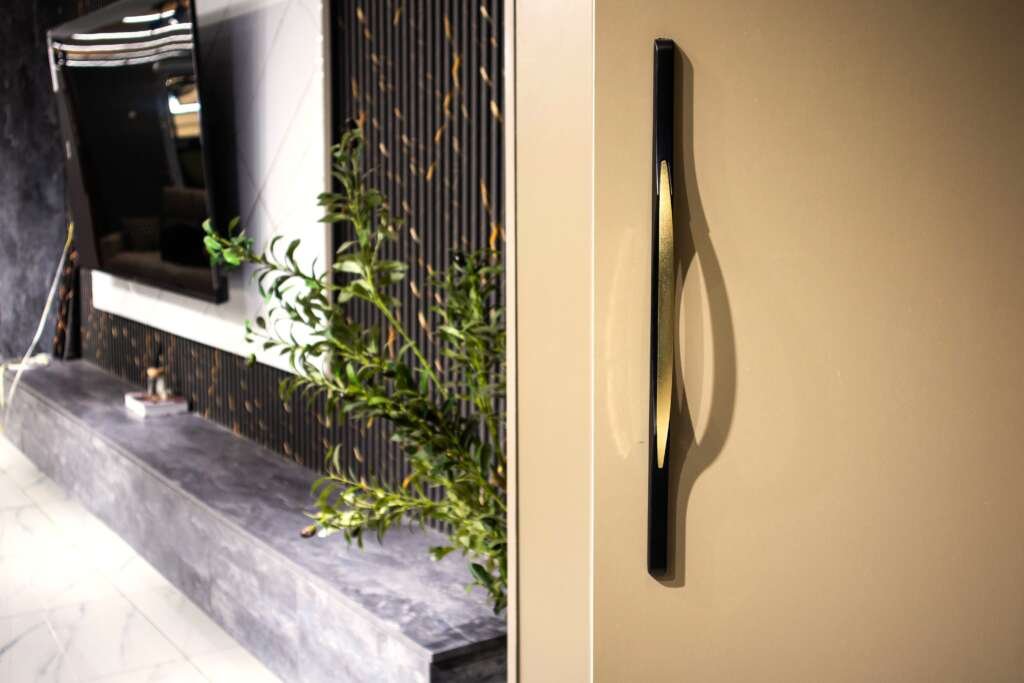
Buying full sheets and cutting them yourself takes time, tools and space. With our cut-to-size boards service in Nairobi you choose the board, send us your sizes, and we cut and edge the panels so they are ready to assemble. The key to getting quality boards cut right first time is a clear cutting list. Here is how to write one.
Step 1: Choose your board and decor
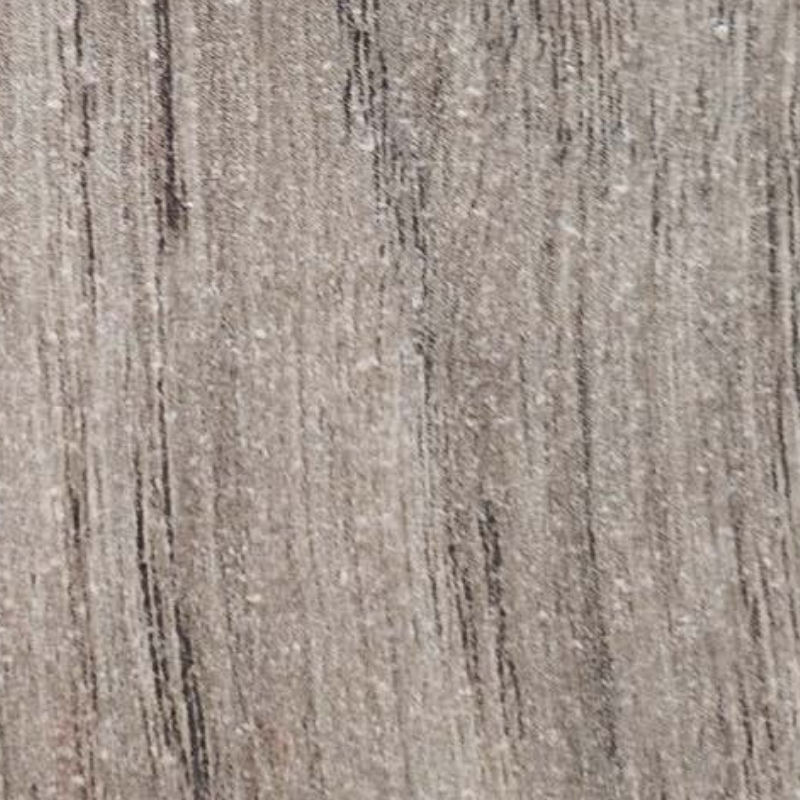
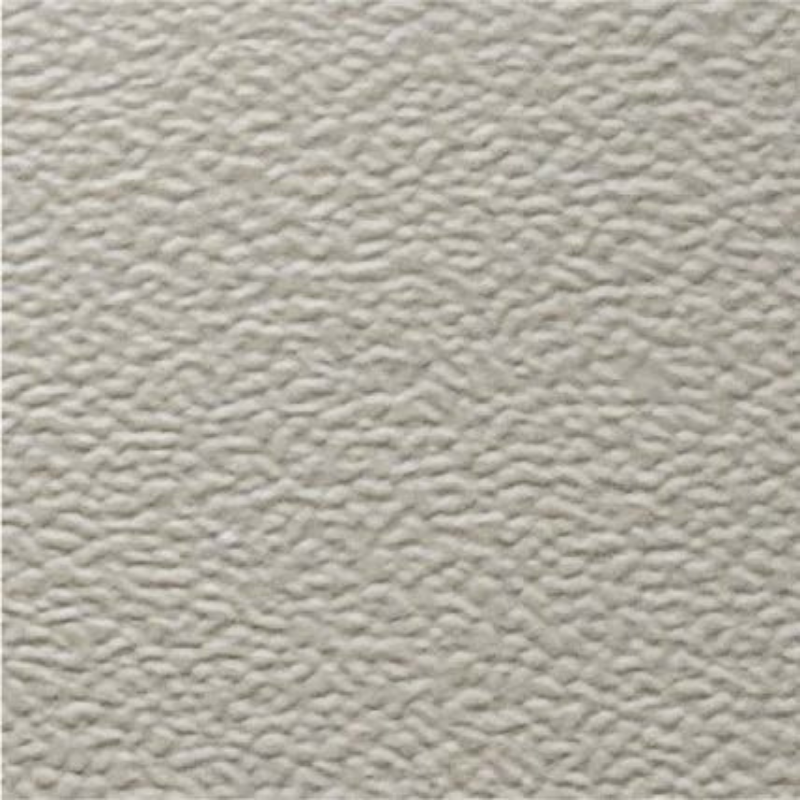
Start by picking the board type and the decor for each part of the job. Browse our boards: chipboard, MDF and blockboard online, or come and see the decors at our showroom at 44 Enterprise Rd, Industrial Area, Nairobi. Note the exact board name for each part, for example “Chipboard Kenyos White” for cabinet insides and a woodgrain or UV gloss decor for the doors.
Check the sheet size too. Depending on the decor, our chipboard comes in 8×4 ft and 9×4 ft sheets, and some decors in large 7×9 ft boards. Knowing the sheet size helps you see how many panels you will get from each board.
Step 2: List every panel with its size
Write one line for each panel. For each line, give:
- What the panel is, e.g. “base unit side”, “shelf” or “wardrobe door”
- Length × width, always in the same unit (millimetres are the clearest)
- Quantity: how many of that panel you need
- Board and decor: which board the panel is cut from
Keep the order the same on every line, for example length first, then width. Mixing them up is the most common cause of a panel being cut the wrong way.
An example layout
A cutting list for a simple wardrobe might be laid out like this (the sizes are only an example, so use your own measurements):
- Side panel: 2100 × 560 mm, qty 2, Chipboard Kenyos White
- Top and bottom: 1164 × 560 mm, qty 2, Chipboard Kenyos White
- Shelf: 1164 × 540 mm, qty 3, Chipboard Kenyos White
- Door: 2096 × 596 mm, qty 2, woodgrain decor, grain vertical
Step 3: Mark which edges need edging
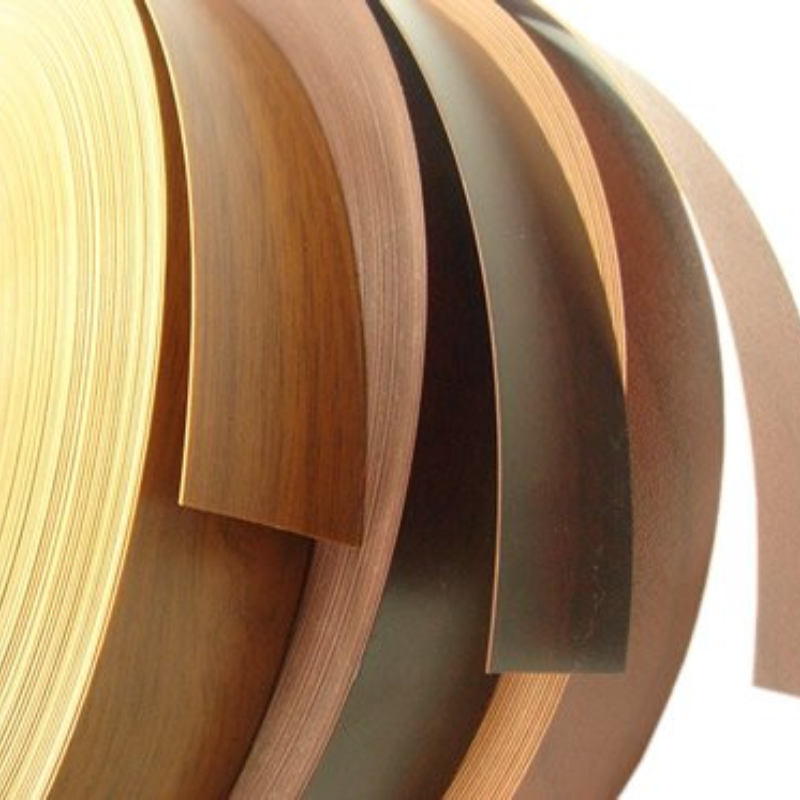
Raw board edges need edging to look finished and to protect the core. On your list, mark which edges of each panel should be edged. A simple way is to note the long edges and short edges separately, for example “edge 1 long, 2 short”. Visible edges such as door edges and shelf fronts usually need edging; edges hidden against a wall or another panel often do not.
Step 4: Think about grain direction
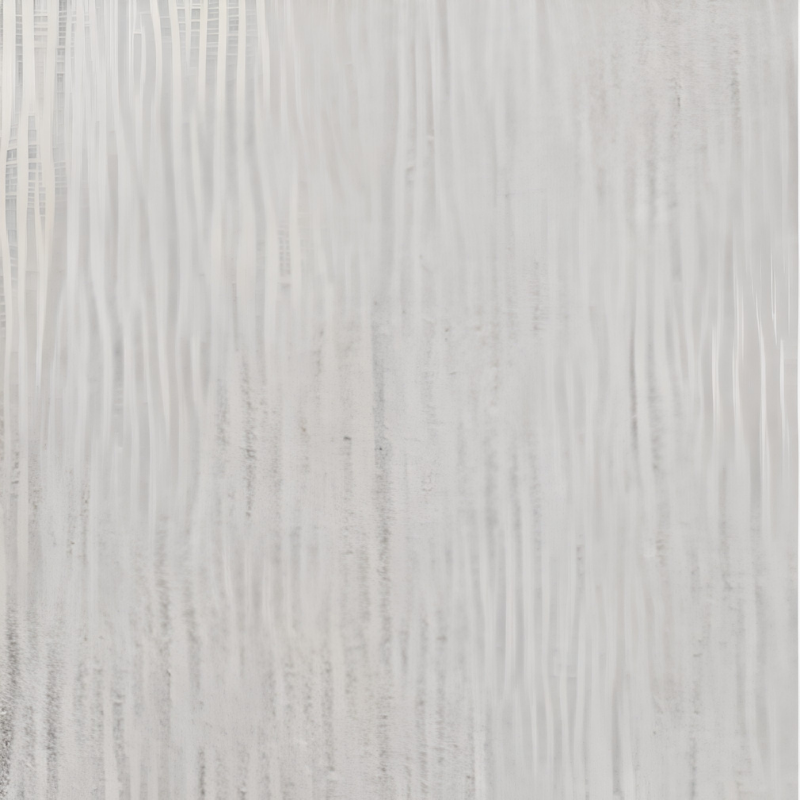
If you have chosen a woodgrain decor, decide which way the grain should run on each panel, usually vertically on doors and tall sides. Note it next to the size so the grain runs the same way across the finished piece.
Step 5: Check your measurements
- Measure the space twice, and allow for doors, drawers and fittings to open freely.
- Remember that board thickness affects internal sizes. Measure from the inside if panels sit between two sides.
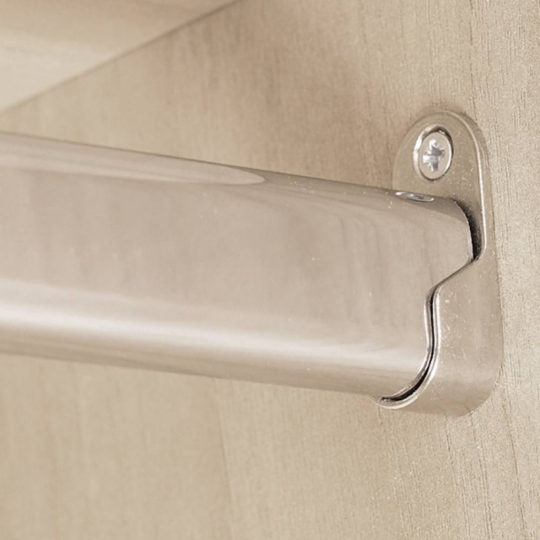
- Add any fittings you need, such as wardrobe rails, to the same order.
We stock kitchen and wardrobe fittings, so you can collect them with your boards.
Common mistakes to avoid
- Mixing millimetres and centimetres on the same list
- Forgetting to say which edges need edging
- Not allowing for the thickness of the board when panels sit between two sides
- Leaving out the quantity on repeated panels such as shelves
Step 6: Send your cutting list to our Nairobi showroom
Send your list to us on WhatsApp on 0759 888 222. A photo of a neat handwritten list or a simple spreadsheet both work. We will confirm the boards and come back with a price. You can read more about our board cutting and edging service.
Shop boards to get cut to size
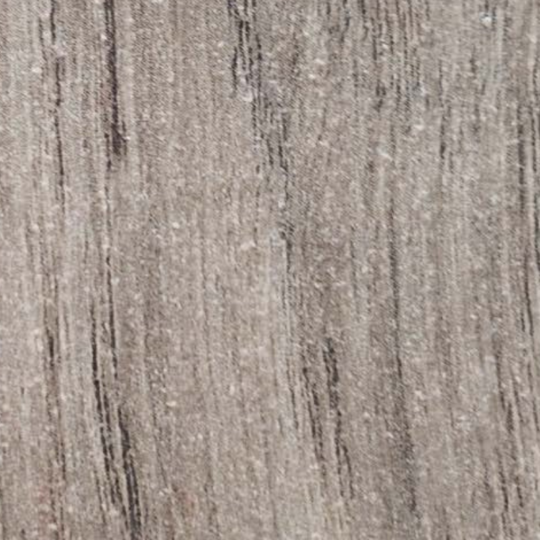
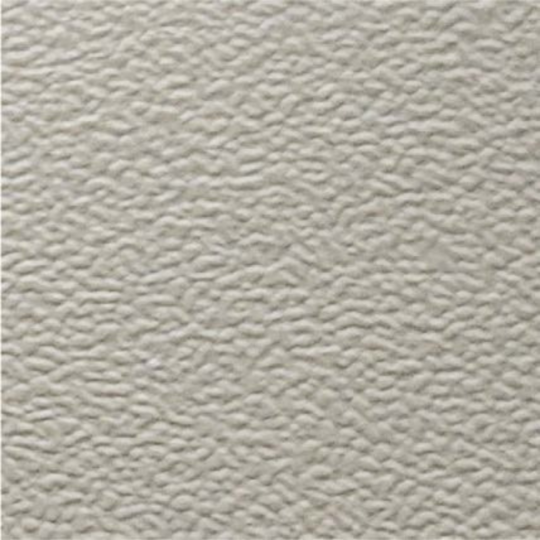
Boards and fittings from this guide that we can cut, edge and deliver in Nairobi:

Collect or get it delivered
When your panels are ready you can collect them from our showroom at 44 Enterprise Rd, Industrial Area (open Monday to Saturday, 8am to 6pm), or we can deliver to your site in Nairobi. We confirm the delivery fee after you order. You can pay by M-Pesa, by bank transfer, or on delivery or pickup.